DIRTY OLD TOWN
We went to Rummidge for a Saturday recently.
When we told friends that we were going to Rummidge (you won’t find it on a map), they expressed surprise. Or maybe it was amazement.
“Rummidge! That dirty old town. Why are you going there?” and variants on that theme is what we got back.
Well, dear readers, it turns out that there is more to Rummidge than a dirty old town. The restored canal district is lovely, there’s all sorts of history to explore, and we had a great day out.
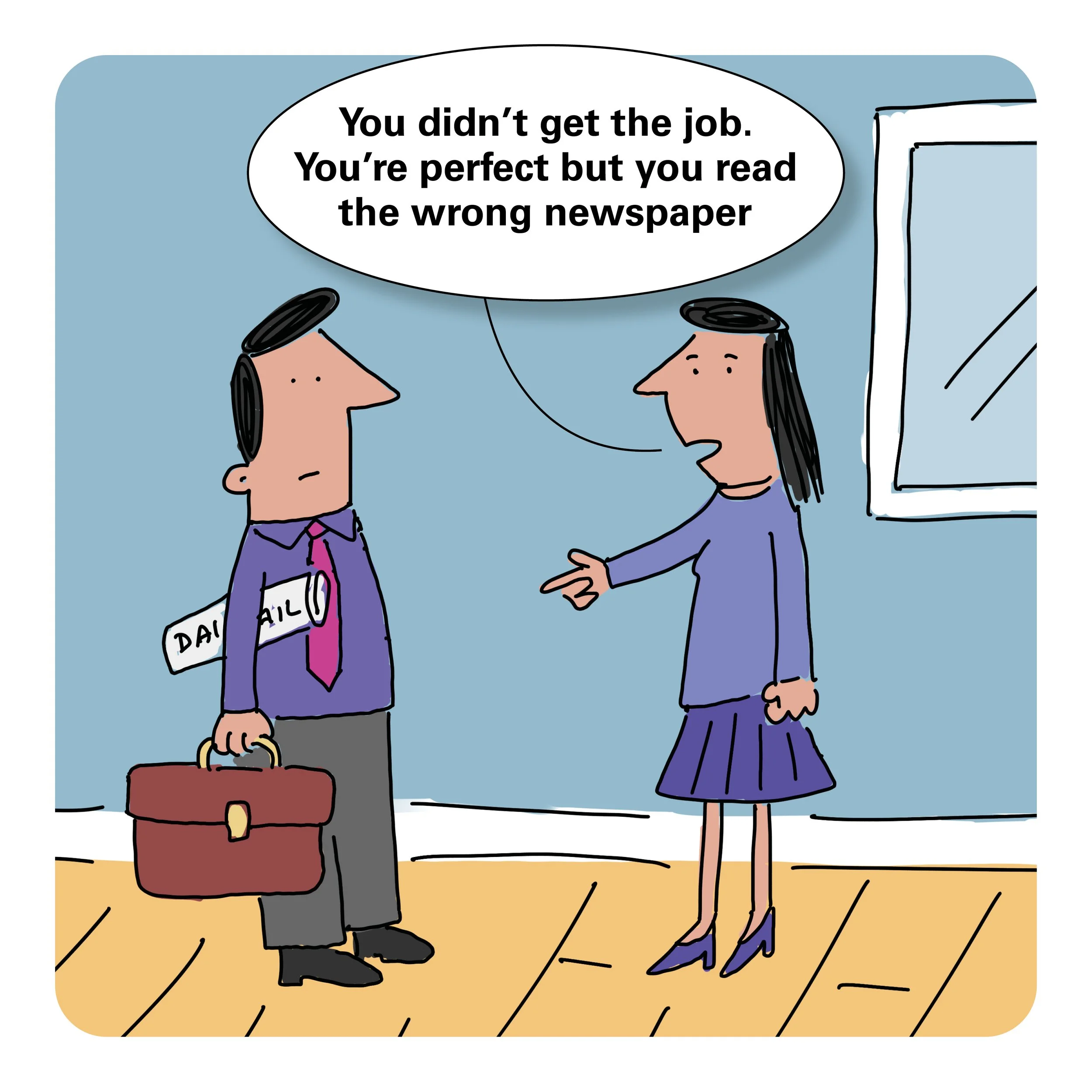
Labels, such as “dirty old town” are just too simple when it comes to describing multi-faceted places like Rummidge. Towns are more complex than that.
So why do we fall into that trap with people then?
We watched a film called “Charlie Wilson’s War” last weekend. Based on a true story, Charlie was a US Congressman best known for his partying and surrounding himself with attractive young women. Except that, in 1980, Charlie was persuaded to visit an Afghan refugee camp in Pakistan, and inspired by what he saw was able to persuade the US Congress to release funds that ultimately led to the end of the Soviet invasion of Afghanistan.
Where Charlie was less successful was in the next step of his moral crusade, which was to seek to get funds released for rebuilding Afghanistan after the Soviet invasion. Which of course is a whole other story.
So was Charlie a party goer with an eye for beautiful women, or a moral crusader?
He was both.
Charlie is you and me. (Don’t stretch that metaphor too far. Ed.)
Charlie is that person who you’ve labelled chaotic, disengaged, or slow. Because that very same person is also flexible, thinking, and cautious.
Same person, right? But we tend to identify people by their faults, not by their strengths. Sad isn’t it?
Rummidge is complex. Charlie Wilson was complex. That person you’ve labelled, they’re complex as well.
And then there’s me. Or you. Heaven forbid that we get labelled in a negative way. But if we do it to others, etc etc.
Children like simple labels. It helps them to make sense of their world. But adults (hopefully) learn to deal with nuance. May I learn that. May you. And may we all come to appreciate the rich diversity of our shared humanity.
These reflections are designed to capture real life experiences, usually of people like you who are reading them (!), and turn them into lessons for us all. If you valued this one please do share it. And if you’re not yet signed up, and would like to learn from others’ experiences every few weeks, there’s a box below.
We will never send you anything except the reflections. And if you’re interested in reading a bit wider, maybe there’s something here for you - https://martin-howden.squarespace.com/books. In any event, thanks for reading.